- HENGYU
The preservation method of frozen fish is of vital importance.
Pre-treatment before freezing
Cleaning: Rinse the mucus, impurities, etc. on the surface of the fish thoroughly. If it is a larger fish, the fish scales, gills, and internal organs need to be removed first to reduce the growth of bacteria, prevent the generation of unpleasant odors during the freezing process, and avoid affecting the quality of the fish meat.
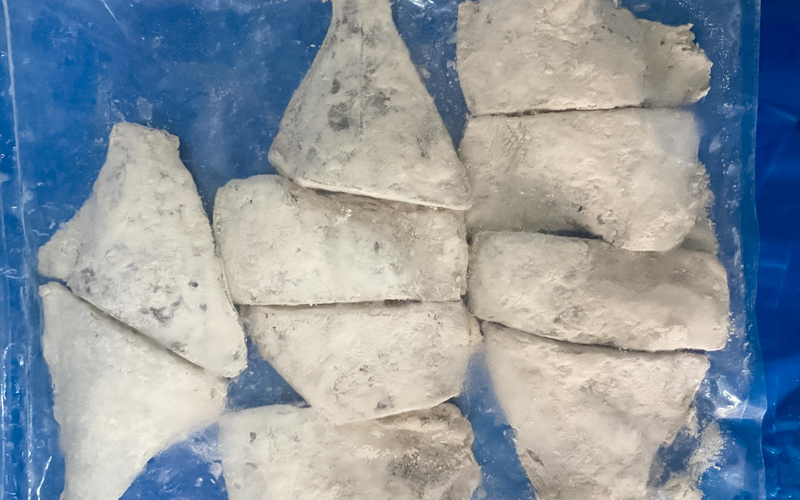
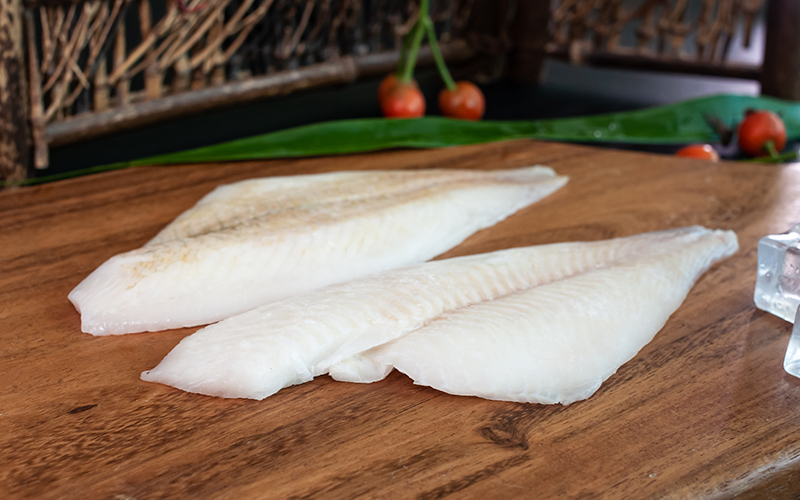
Cut into pieces: According to the amount to be consumed and cooking requirements, cut the fish into pieces or slices of appropriate size. This not only makes subsequent cooking more convenient but also enables the fish to freeze more quickly during the freezing process, reducing the damage of ice crystals to the fish meat cells.
Absorb the moisture: Use kitchen paper towels or a clean towel to absorb the moisture on the surface of the fish pieces. This can prevent the formation of ice blocks during the freezing process, which may affect the taste and quality of the fish. It also prevents the fish from sticking to other items in the freezer.
Packaging: Put the processed fish into a fresh-keeping bag or a sealed container, and try to expel the air as much as possible. This is to prevent the fish from oxidizing during the freezing process and developing the phenomenon of "freezer burn", which may affect the taste and nutritional value.
Frozen storage
Temperature setting: The temperature of the freezer compartment in a household refrigerator should generally be set below -18°C. At this temperature, fish can better maintain their original quality and taste, inhibit the growth and reproduction of bacteria and microorganisms, and extend the shelf life.
Placement position: Place the frozen fish inside the freezer compartment of the refrigerator, and avoid placing it near the refrigerator door. This is because the temperature near the door fluctuates greatly, which is not conducive to the long-term preservation of the fish. At the same time, pay attention to storing it separately from other foods to prevent the transfer of flavors.
Precautions after freezing
Avoid repeated thawing: Try to take the frozen fish out of the refrigerator for thawing only when it is needed for consumption. Avoid repeated thawing and freezing multiple times. This is because during each thawing process, the ice crystals in the fish will melt into water. When it is frozen again, these water molecules may form larger ice crystals, causing greater damage to the fish meat cells. As a result, the taste of the fish meat will deteriorate and nutrients will be lost.
Shelf life: Generally speaking, the shelf life of frozen fish is about 3 to 6 months, but the shelf life may vary depending on the type of fish. For example, fish with a higher fat content, such as salmon and tuna, have a relatively shorter shelf life, usually about 3 months. While some lean fish, such as cod and sea bass, may have a slightly longer shelf life, which is 4 to 6 months. For frozen fish that has exceeded its shelf life, although it may not necessarily be spoiled, its taste and nutritional value will be greatly reduced.